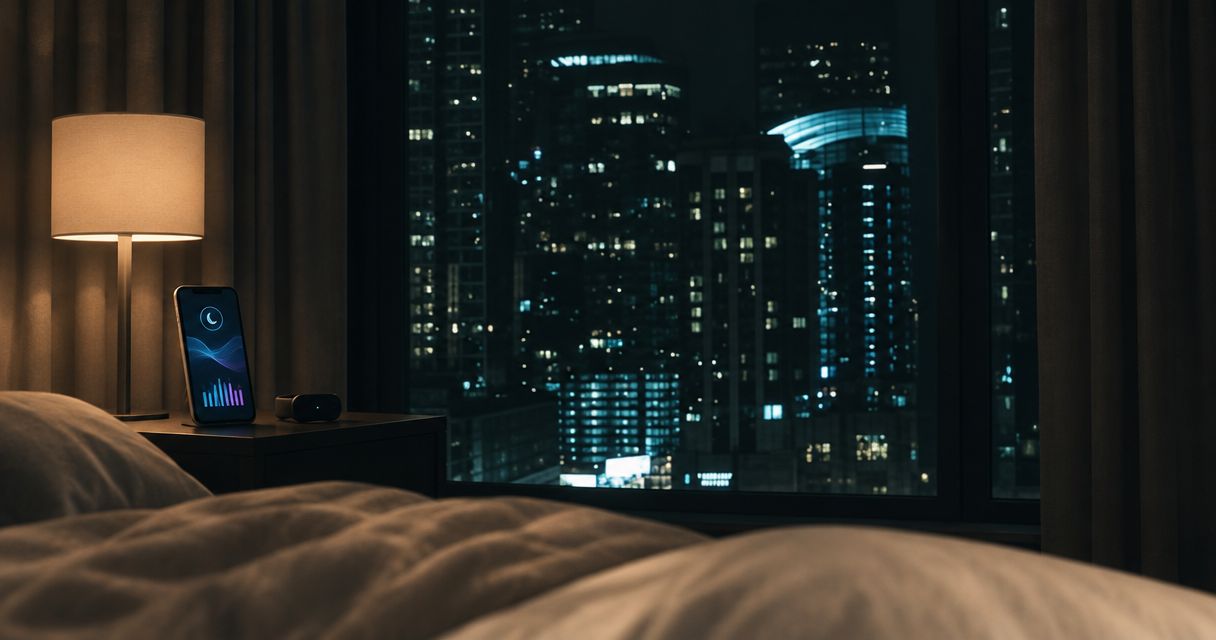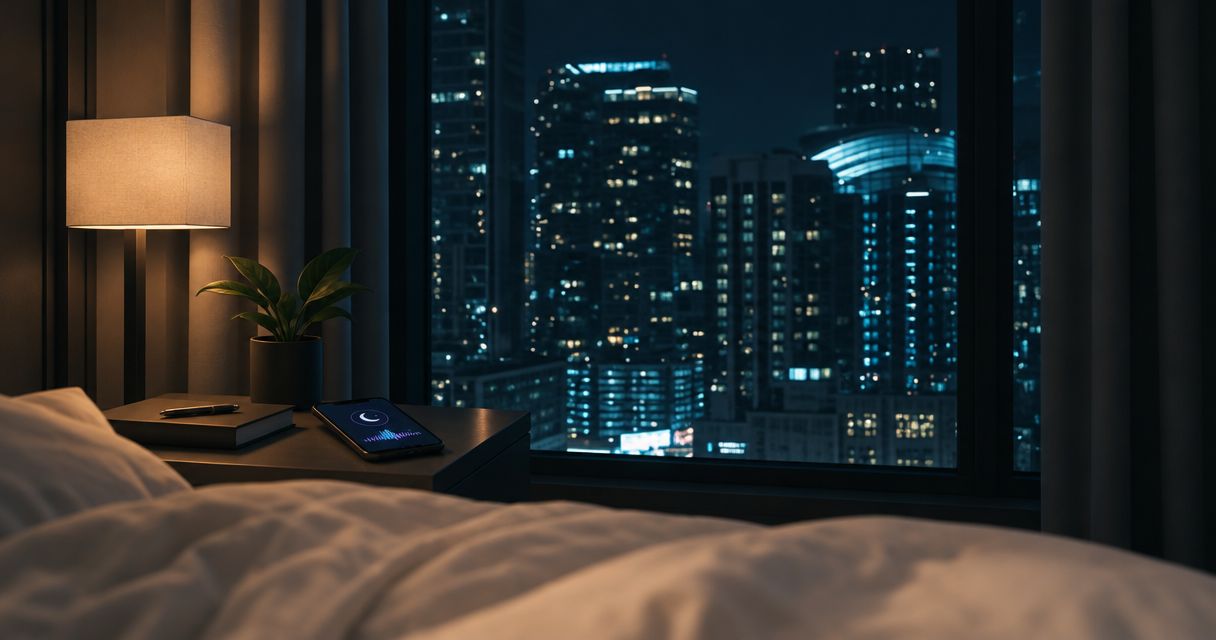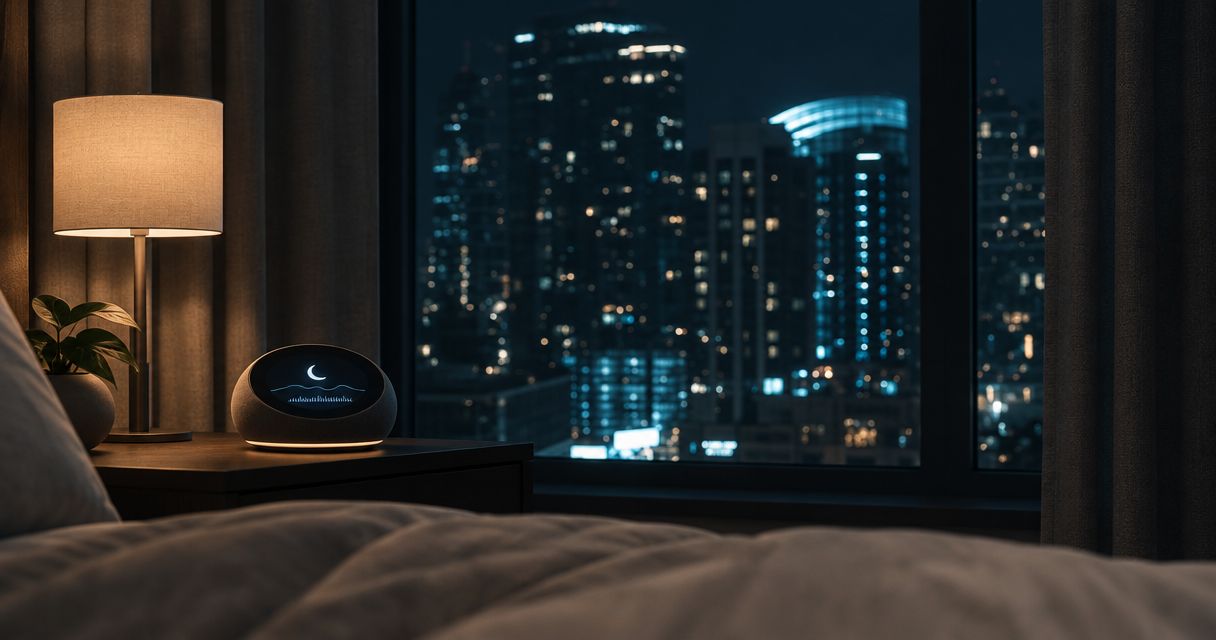
Best overall for a gentler wake-up: a sunrise-style smart clock. Best for flexible mornings: a wake-window alarm app. Best for a phone-free bedside: a standalone connected clock. Simplest option: your existing phone alarm. This 2026 guide compares approaches to waking, without treating a sleep-cycle estimate as a promise.
- The best smart alarm clocks for sleep cycles cannot guarantee waking during light sleep.
- Choose a sunrise-style smart clock for gradual light, not sleep-stage precision.
- Choose a wake-window alarm app only when an earlier alarm fits your morning.
- Restweft sleep coaching suits adults who want personal guidance with evening routines and ongoing check-ins.
Why this matters
A smart alarm can change how your morning starts. It cannot make up for an evening that leaves too little room for sleep, and a sleep-cycle label does not establish that a device knows your exact sleep stage.
Separate two decisions: how you want the alarm to wake you, and what support you need before bed. Restweft offers personal online sleep coaching for adults who want practical evening routines and help tracking sleep patterns. That is everyday wellness support, not an alarm feature or medical care.
Choose an alarm around your actual morning deadline, not a promise of a perfect waking moment. If you must get up at a fixed time, reliable scheduling matters more than an estimated light-sleep window.
What makes the best smart alarm clocks for sleep cycles in 2026?
Use these criteria before choosing a device or app. A useful feature solves a problem you recognize; it does not simply add another measurement.
- Wake-up method: Decide whether gradual light, sound, or another supported cue matches what you want to change.
- Schedule fit: A flexible wake window makes sense only when you can accept an earlier alarm.
- Clear limits: Distinguish an estimated sleep pattern from a medically measured sleep stage.
- Bedside boundaries: Choose whether your phone belongs beside your bed or outside the room.
- Everyday usability: Check alarm controls, schedule changes, display settings, and what happens when connectivity fails.
- Privacy fit: Read what the specific option records, where that information goes, and how you can delete it.
These are selection criteria, not features shared by every smart alarm. Check the exact model or app before choosing; similar descriptions can hide different requirements.
Smart alarm approaches at a glance: 2026
| Option | Best for | Feature to look for | Key limitation |
|---|---|---|---|
| Sunrise-style smart clock | Gradual-light waking | Adjustable light before the alarm | Gradual light does not establish sleep-stage timing |
| Wake-window alarm app | Mornings with scheduling flexibility | A clearly defined earliest and latest alarm time | An estimated wake window can start earlier than you want |
| Standalone connected clock | Keeping your phone away from bed | Controls you can use without opening your phone | Setup and ongoing phone requirements vary |
| Existing phone alarm | A straightforward fixed wake time | A repeat schedule and clearly labeled alarms | Basic alarms do not select a wake time from estimated sleep stages |
These categories overlap: a standalone clock can also offer sunrise-style light. Choose by your main need first, then inspect the individual product. This is a ranking of approaches, not a claim that every device within a category performs equally.
1. Sunrise-style smart clock: best for gradual-light waking
A sunrise-style clock uses increasing light as part of the wake-up routine. If gradual light is what you want, look for a smart model with controls you understand and an audible alarm option that fits your needs.
The distinction matters: gradual light and sleep-cycle detection are different functions. A clock does not need to identify your sleep stage to provide a gradual-light alarm.
Sunrise-style smart clock pros:
- Offers a light-based alternative to a sound-only start.
- Gives you a concrete feature to evaluate: the light itself.
- Can support a repeatable morning cue without requiring you to interpret a sleep score.
Sunrise-style smart clock cons:
- Light in a shared bedroom also affects your partner.
- A gradual-light feature does not prove sleep-stage accuracy.
- Placement and brightness require consideration in your own room.
Before choosing, check whether you can adjust the light separately from the sound. Also check how to stop the alarm in the dark; a complicated control is not a helpful morning companion.
Best for: Adults who want a gentler sensory transition and do not need a sleep-cycle claim to justify the choice.
Verdict: Buy for gradual light; skip it if precise sleep-stage waking is your only reason.
2. Wake-window alarm app: best for flexible mornings
A wake-window alarm app aims to select an alarm time within a range you allow, using whatever sleep-estimation method the app supports. Check that method directly rather than assuming the app measures brain activity or identifies sleep stages with clinical certainty.
Your scheduling flexibility is the deciding factor. For example, a 15-minute window is a planning choice, not a promise of better waking; use it only if getting up at the beginning of that window is acceptable.
Wake-window alarm app pros:
- Lets you define a range rather than a single alarm time.
- Offers a way to explore whether flexible timing suits your mornings.
- Keeps the scheduling experiment within an app rather than making a bedside clock essential.
Wake-window alarm app cons:
- Can sound earlier than your preferred latest wake time.
- Sleep estimates do not guarantee a light-sleep awakening.
- Phone placement, permissions, and other requirements need checking for the specific app.
Look closely at the latest alarm time. You should be able to understand what happens if sleep information is unavailable, permissions change, or the phone restarts.
Best for: Adults whose mornings allow some variation and who are comfortable treating sleep data as estimates.
Verdict: Try only when the entire wake window fits your schedule.
3. Standalone connected clock: best for a phone-free bedside
A standalone connected clock is a separate bedside device with connected functions. The useful question is not how many functions it has, but whether you can manage your everyday alarm without reaching for your phone.
Some products still require an app for setup or changes. Check that distinction before choosing a clock specifically to move your phone out of the bedroom.
Standalone connected clock pros:
- Provides a dedicated place for your alarm apart from your phone.
- Can fit a deliberate boundary around bedtime phone use.
- Lets you prioritize physical controls when comparing models.
Standalone connected clock cons:
- Connected does not necessarily mean independent of a phone.
- Network and power behavior require product-specific checks.
- Another device adds setup and maintenance to your routine.
Ask practical questions: Can you change tomorrow's alarm on the clock? Can you dim the display? What happens after a power interruption? Do not assume the answers from the word smart.
Best for: Adults who want their phone away from the bed while keeping a dedicated alarm nearby.
Verdict: Buy only after confirming that routine controls work the way you need.
4. Existing phone alarm: best for a straightforward fixed wake time
Your existing phone alarm is the simplest starting point when the main need is getting up at a known time. You can evaluate your evening routine separately instead of tying every change to another device.
This approach does not offer sleep-cycle selection by itself. Its strength is a clear task: sound an alarm at the time you chose, using the settings your phone supports.
Existing phone alarm pros:
- Uses a familiar device rather than introducing another bedside system.
- Keeps the wake-time decision explicit.
- Lets you focus on scheduling without interpreting sleep-stage estimates.
Existing phone alarm cons:
- Keeping your phone nearby conflicts with a phone-free bedside goal.
- A basic alarm does not respond to estimated sleep stages.
- Sound, vibration, and scheduling options depend on the phone and settings.
Check the selected sound, alarm volume, and repeat days while you are fully awake. Labels such as workday and weekend are useful only if the underlying schedules match your life.
Best for: Adults with a fixed morning deadline who want fewer decisions.
Verdict: Hold off on another device until you can name the feature your current alarm lacks.
How these approaches rank
The 2026 ranking puts everyday fit ahead of sleep-cycle language. Sunrise-style clocks lead for gradual light; wake-window apps serve flexible schedules; standalone clocks serve phone-free boundaries; existing phone alarms serve straightforward scheduling.
No category wins every criterion. A light-based clock is not automatically a sleep tracker, and an app with sleep estimates is not automatically a better alarm for someone with an inflexible start time.
The strongest choice solves one clear problem without creating a harder routine. Use that rule when comparing individual products and their current documentation.
Fit the alarm into an evening you can repeat
An alarm decision works better when it belongs to a manageable routine. Start with the morning requirement, then work backward without turning bedtime into another performance target.
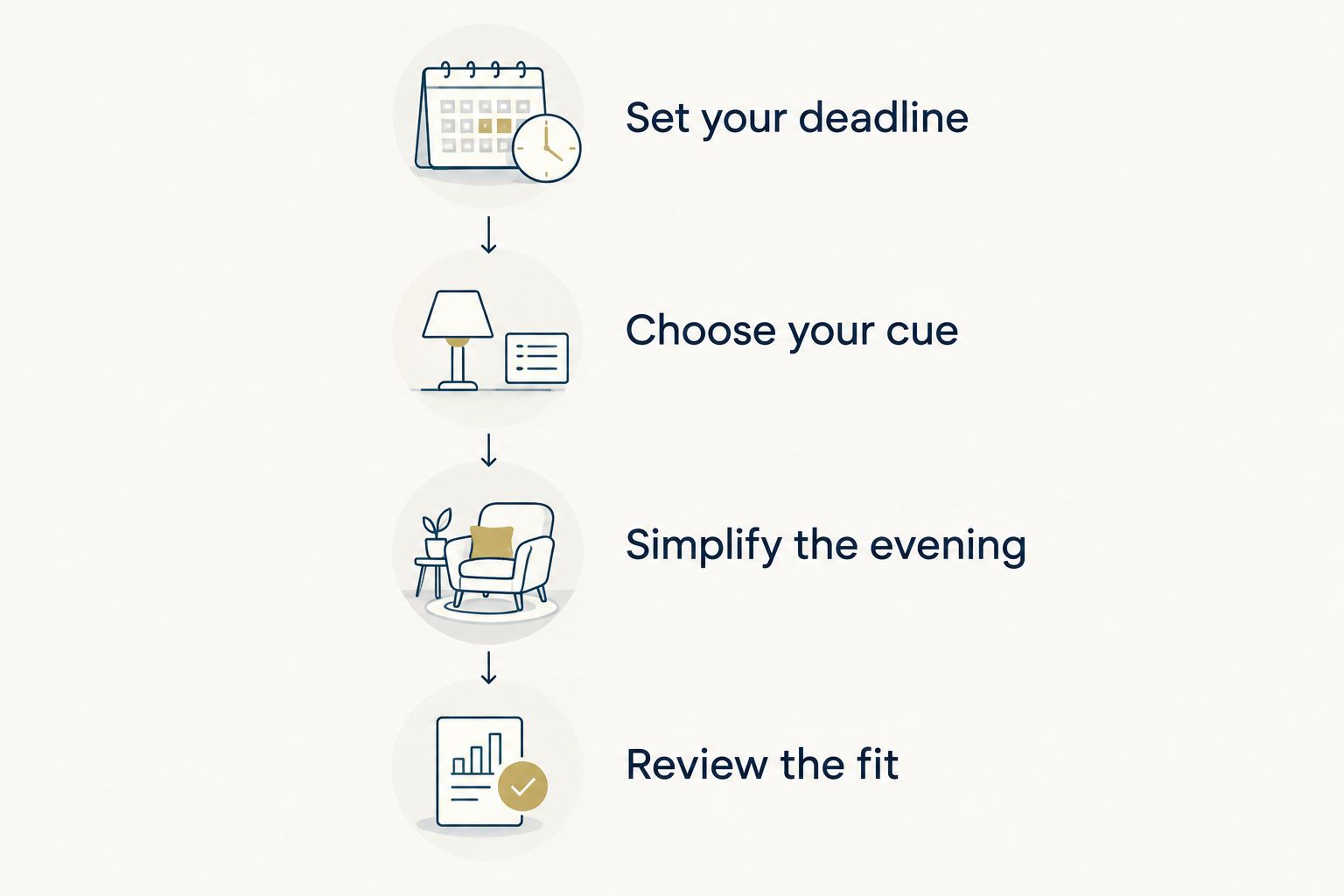
Set your deadline
Write down the latest time you need to get up. If an earlier alarm would create frustration rather than useful flexibility, choose a fixed time instead of a wake window.
Choose your cue
Decide what you want to change about waking: the sound, the light, or the presence of your phone. Keep that priority visible while comparing features, so an unrelated sleep score does not make the decision for you.
Simplify the evening
Choose one small preparation that makes tomorrow easier, such as setting out clothes or putting work materials away. The wind-down routine for busy evenings offers a place to connect your alarm choice with a doable evening.
Review the fit
After trying the setup, ask whether the controls, timing, and bedside arrangement suit your life. You do not need a perfect score to decide that a setting is inconvenient.
For a small experiment, spend 2 minutes after waking noting whether the alarm was easy to use and whether its timing suited you. Review those notes after 7 mornings as a personal check, not a clinical test or a deadline for results.
Restweft sleep coaching is best for adults who want personal guidance with practical evening routines and ongoing check-ins. If that support matches what you need, you can create an account and complete a private sleep profile without pressure to have everything figured out.
Make room for better nights
Create an account and complete your private sleep profile to begin with your everyday routine.
Which smart alarm should you choose in 2026?
Choose a sunrise-style smart clock if gradual light is the change you want. Choose a wake-window app only when earlier waking is acceptable, or a standalone clock when moving your phone is the priority.
If none of those needs describes you, keep your existing alarm and focus on a doable evening routine. Restweft provides everyday wellness coaching, not medical care; ongoing sleep concerns belong with a qualified healthcare professional, not an alarm comparison.
FAQ
What's the best smart alarm clock for sleep cycles?
The best choice depends on your morning schedule, not a promise of precise sleep-stage waking. Choose gradual light for a gentler cue, or a wake-window app when an earlier alarm fits your day.
Can a smart alarm guarantee that I wake during light sleep?
No, a consumer smart alarm cannot guarantee that you wake during light sleep. Treat sleep-stage labels as estimates rather than a promise about how you will feel.
Is a sunrise alarm the same as a sleep-cycle alarm?
No, a sunrise alarm uses gradual light, while a sleep-cycle alarm aims to adjust timing using estimated sleep information. A product can combine features, so check its specific functions.
Should I use a wake window if I have a fixed work start time?
Use a wake window only if its earliest and latest times both fit your morning. A fixed alarm is the clearer choice when an earlier wake-up is unwanted.
Can I keep my phone outside the bedroom with a smart clock?
Choose a standalone clock only after confirming which controls work without your phone. Setup, schedule changes, and connectivity requirements vary by product.
Do I need sleep tracking to build a better evening routine?
No, sleep tracking is not required to begin a practical evening routine. You can start with simple notes about your schedule and the habits you want to adjust.
Can Restweft replace medical advice about sleep?
No, Restweft offers everyday wellness coaching, not medical care. Qualified healthcare professionals are the appropriate source of advice for ongoing sleep concerns.
One last thing
Before changing your alarm, picture an ordinary difficult evening: dinner runs late, work spills over, or tomorrow's plans change. Choose the setup you would still understand and use on that night.
Your routine needs to fit the life you actually live. Think of it as a rhythm, not a reset button.