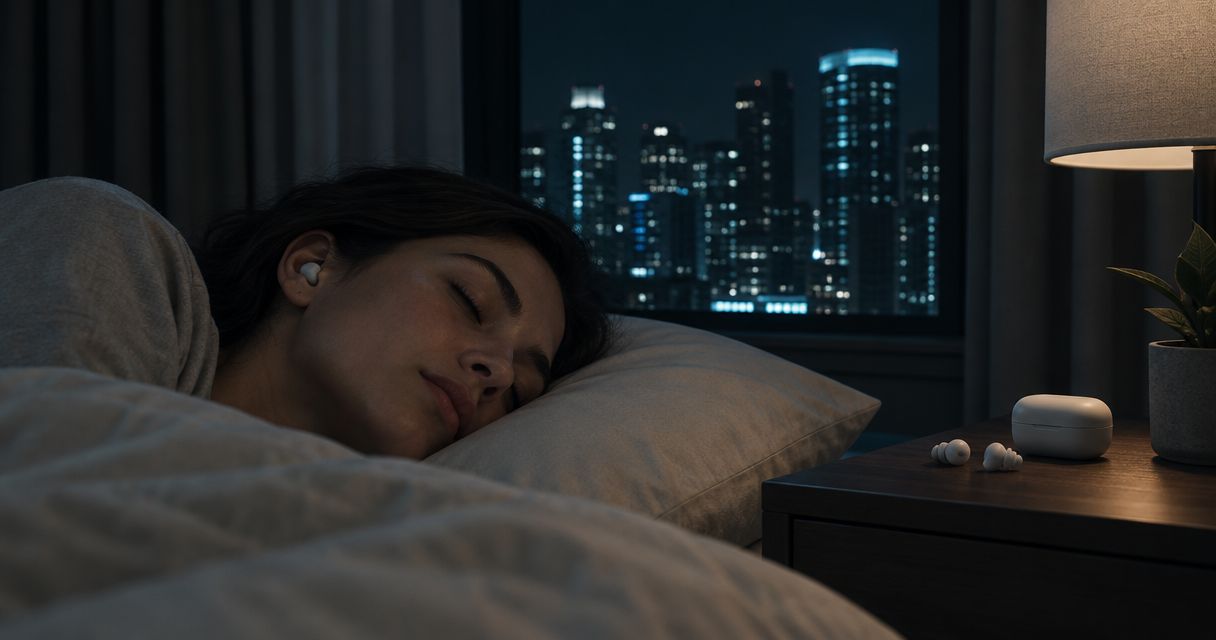
Best overall starting point: soft foam earplugs. Best for avoiding an in-canal tip: moldable silicone earplugs. Best for repeat use: reusable flanged earplugs. This 2026 guide to the best noise cancelling earplugs for sleep compares earplug types by fit, pillow comfort, care, and the sounds you still need to hear.
- For the best noise cancelling earplugs for sleep, start with fit: soft foam is a practical first option.
- Moldable silicone covers the ear opening; follow the product’s directions rather than pushing it into the canal.
- Reusable flanged and filtered earplugs offer alternatives, but pillow pressure and sound reduction depend on fit.
- Restweft personal sleep coaching helps adults connect practical evening routines with ongoing check-ins; it is not medical care.
Why this matters
The best earplug is not necessarily the one with the strongest noise-reduction claim. You need something that stays comfortable when your head meets the pillow, fits according to its instructions, and suits your responsibilities overnight.
Most conventional sleep earplugs block sound passively; they do not use electronic active noise cancellation. That distinction matters when searching for noise cancelling products: an earplug can reduce incoming sound without producing an opposing sound signal.
Earplugs also address only one part of your evening. Restweft offers personal sleep coaching for adults who want practical routines and help tracking sleep patterns—not a promise that an accessory will fix their sleep.
What makes the best earplugs for sleep?
Use these criteria for your 2026 shortlist before choosing a material or shape:
- Comfort against the pillow: Check for pressure when lying in your usual position, not just while sitting upright.
- Fit you can repeat: A plug that works only after repeated adjustments is a poor match for a tired evening.
- Appropriate sound reduction: Consider both unwanted noise and important sounds, including alarms or someone calling for help.
- Manageable care: Read the cleaning, replacement, and storage instructions before deciding whether the routine suits you.
- Clear use instructions: Choose earplugs with understandable fitting directions and information about their intended use.
There is no universal winner for ear shape or sensitivity. Choose the type you can wear correctly and comfortably, rather than treating the highest rating as the whole decision.
Sleep earplugs at a glance
This comparison ranks categories, not individual models. It does not claim hands-on testing or verified performance for a particular product.
| Rank and type | Best for | Standout characteristic | Key limitation |
|---|---|---|---|
| 1. Soft foam earplugs | A general starting point for passive sound reduction | Compress before insertion, then expand | Correct insertion takes practice |
| 2. Moldable silicone earplugs | People avoiding an in-canal tip | Shape over the ear opening as directed | Placement and cleanliness require care |
| 3. Reusable flanged earplugs | People comfortable with a repeatable cleaning routine | Shaped flanges form a seal | Stem or flange pressure can bother side sleepers |
| 4. Filtered earplugs | People seeking less sound reduction rather than maximum blocking | A filter changes how sound passes through | Not every filtered design is intended for sleeping |
1. Soft foam: best sleep earplugs for a first trial
Soft foam earplugs compress for insertion and expand inside the ear canal. They are a sensible starting point when your main goal is passive sound reduction and you are willing to learn the fitting technique.
Follow the package directions rather than pushing uncompressed foam into your ear. A poorly fitted plug does not provide the protection suggested by its label, and a plug that feels uncomfortable is not a good bedtime choice.
Soft foam pros:
- Compressible material adapts to the ear canal as it expands.
- No electronic settings or charging routine.
- A straightforward category for comparing fit and insertion instructions.
Soft foam cons:
- Insertion requires more technique than simply placing a plug at the opening.
- Expansion can feel uncomfortable for some wearers.
- Cleaning and replacement rules depend on the specific product.
Best for: Adults who want to start with a conventional passive earplug and assess comfort before adding complexity.
Try the fit while awake, then lie on your usual pillow. Check whether the plug creates pressure or loosens as you change position; do not judge it only while standing at the bathroom mirror.
Verdict: Buy for a first trial if the fit is comfortable and the instructions are manageable.
2. Moldable silicone: best for avoiding an in-canal tip
Moldable silicone earplugs are shaped over the ear opening according to the product’s directions. They are different from preformed silicone tips that sit inside the canal, even though both use silicone.
This distinction gives you another approach if an inserted tip feels intrusive. It does not guarantee pressure-free side sleeping: placement, the amount of material, and contact with your pillow still matter.
Moldable silicone pros:
- Offers an alternative to an expanding in-canal plug.
- Can be shaped over the opening as directed.
- Has no rigid projecting stem in the moldable material itself.
Moldable silicone cons:
- Requires careful handling and clean placement.
- Material can collect hair or debris.
- Incorrect placement undermines the intended seal.
Best for: Adults who dislike an in-canal tip and can follow the molding instructions carefully.
Do not turn moldable material into a narrow plug and push it into the canal. Read the label for the intended shape, placement, and replacement guidance, including whether the material must remain in one piece.
Verdict: Buy if covering the opening feels more comfortable than an inserted tip.
3. Reusable flanged: best for a repeat-use routine
Reusable flanged earplugs use shaped ridges to form a seal. They suit people who prefer a defined shape and are comfortable following a cleaning and storage routine.
The main question for sleep is not simply whether the plug seals. A stem that feels unobtrusive upright can press against your ear when you roll onto your side.
Reusable flanged pros:
- Designed for repeat use under the manufacturer’s care instructions.
- Does not require rolling foam before insertion.
- A defined shape gives you a consistent fitting method to practice.
Reusable flanged cons:
- Flanges can create uncomfortable pressure for some ears.
- A projecting stem can contact the pillow.
- Cleaning and drying add a maintenance task.
Best for: Adults who prefer reusable equipment and tolerate the shape comfortably in their sleeping position.
For a 2026 comparison, check the actual model’s sleep-use guidance rather than assuming every reusable earplug suits overnight wear. A design intended for another activity is not automatically a bedtime recommendation.
Verdict: Buy only after checking pillow comfort and the stated intended use.
4. Filtered earplugs: best for deliberately reducing less sound
Filtered earplugs let sound pass through a designed filter rather than relying solely on a solid barrier. Their intended applications vary, so the word filtered does not establish that a model is suitable for sleep.
Consider this category when you want to soften your surroundings rather than pursue the greatest possible blocking. Do not assume a filter guarantees that an alarm, baby monitor, or other important signal will remain audible.
Filtered earplug pros:
- Offers an alternative to maximum-blocking approaches.
- Gives you a category to investigate when retaining some sound matters.
- Does not inherently require powered noise cancellation.
Filtered earplug cons:
- Some designs are intended for activities other than sleep.
- Less blocking can leave the unwanted noise noticeable.
- Filters do not guarantee awareness of important sounds.
Best for: Adults seeking a gentler reduction in sound who can verify sleep suitability and assess their overnight responsibilities.
Compare the intended use, fit instructions, and care requirements of the specific model. Avoid choosing solely because filtered sounds more advanced.
Verdict: Hold until you confirm the design suits sleeping and your sound needs.
How to choose without turning bedtime into a project
You do not need a perfect testing routine. Use these steps as a flexible way to separate a fit problem from an evening that simply felt unsettled.
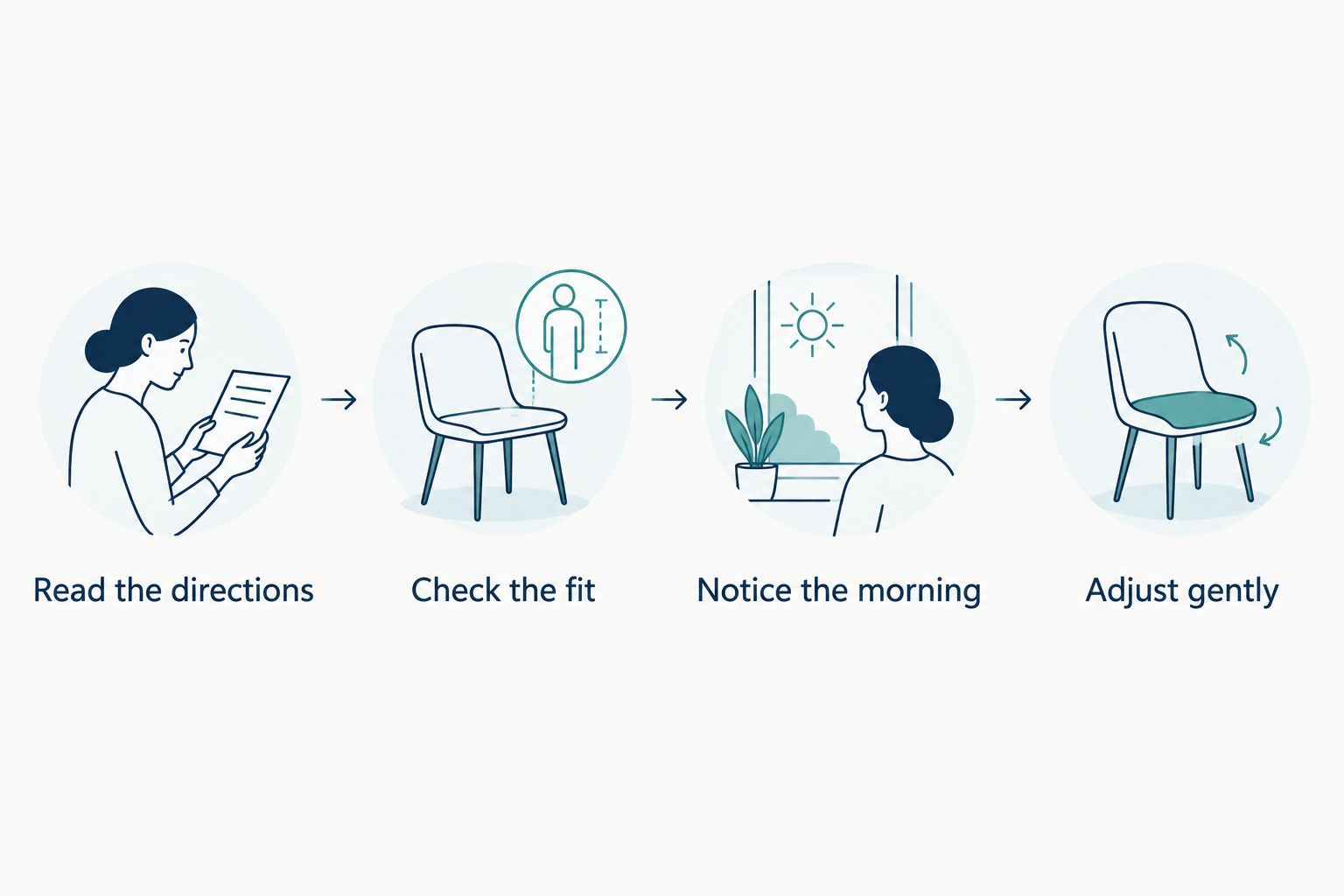
Read the directions
Start with the manufacturer’s fitting and care instructions. Notice whether the product is intended for sleep, how it should sit, and when it should be replaced.
Check the fit
Try the earplugs while awake for 5 minutes as an initial comfort check, not a proof of overnight suitability. Lie in your normal position and gently turn your head; stop if the fit hurts.
Notice the morning
Make a short note about comfort, pressure, and whether you removed the plugs. Keep the observation simple enough that it does not become another task you dread.
Adjust gently
Change 1 thing at a time—the earplug type, for example, rather than the earplugs, pillow, and whole routine together. If comfortable, compare your notes across 3 mornings; this is a practical observation window, not a clinical test.
If the evening itself feels rushed, pair your earplug choice with a wind-down routine for busy evenings. Putting tomorrow’s essentials in place or choosing a quieter final activity is an adaptable option, not another checklist to complete perfectly.
Understand ratings and safety before overnight use
A noise reduction rating describes performance under specified test conditions. It is not a promise of the sound reduction you will experience in your bedroom; fit and use matter.
For your 2026 purchase, read the product label rather than comparing isolated numbers from different rating systems. Avoid treating a rating as a guarantee that snoring, traffic, or voices will disappear.
Important sounds deserve a separate plan. Do not rely on being able to hear through earplugs when your responsibilities include responding to someone overnight. Check relevant alarm and monitoring guidance, and choose an arrangement that fits those responsibilities.
Stop using earplugs that cause pain or irritation. Persistent sleep difficulties, ear symptoms, or concerns about loud snoring and breathing pauses belong with a qualified healthcare professional—not a different earplug recommendation.
How these recommendations are ranked
This 2026 ranking prioritizes a practical starting point, alternatives to in-canal fit, repeat-use care, and deliberate sound reduction. Each category has a different role; none earns a claim to fit every ear.
The comparison uses established differences between earplug types, not invented test results or a claim that a particular model outperformed another. Comfort and clear instructions take priority over promotional language.
Which sleep earplugs should you choose?
Start with soft foam if you want a straightforward first trial. Choose moldable silicone if avoiding an in-canal tip matters more; consider reusable flanged designs only if their shape stays comfortable against your pillow.
Keep filtered earplugs for a more specific decision about how much sound you want to retain. Verify the individual model’s intended use rather than treating the category name as an endorsement.
Restweft personal sleep coaching is best for adults who want guidance with doable evening routines and ongoing check-ins. Coaching serves a different purpose from earplugs: it helps you work with habits and observations, while earplugs address incoming sound. Restweft is everyday wellness coaching, not medical care.
If that support fits what you need, create an account and complete a private sleep profile. You can start with the evening you actually have, without pressure to make it perfect.
Make room for better nights
Create an account and complete a private sleep profile to begin with your everyday routine.
FAQ
What are the best noise cancelling earplugs for sleep in 2026?
Soft foam earplugs are a practical first option for passive sound reduction, provided they fit comfortably. Moldable silicone offers an alternative for people who dislike an in-canal tip; reusable flanged designs suit people comfortable with their shape and care routine.
Do sleep earplugs actually cancel noise?
Conventional foam, moldable silicone, and flanged earplugs reduce sound passively rather than using electronic active noise cancellation. They form a barrier or seal, and their effectiveness depends on correct fit and use.
Which earplugs are best for side sleepers?
The best earplugs for a side sleeper are the ones that remain comfortable against the pillow without painful pressure. Compare the actual fit while lying down; a low-profile appearance alone does not guarantee comfort.
Are moldable silicone earplugs better than foam?
Moldable silicone is an alternative to foam, not a universal upgrade. Choose between them based on whether covering the ear opening or wearing an expanding in-canal plug feels more comfortable, and follow the specific product instructions.
Will I still hear my alarm with earplugs in?
Earplugs can reduce your ability to hear an alarm, so audibility is not guaranteed. Do not rely on a filter or noise reduction rating to ensure you will hear important signals; check the relevant safety guidance and your overnight responsibilities.
Can I reuse my sleep earplugs?
Reuse depends on the specific product’s instructions. Follow its cleaning, drying, storage, and replacement guidance rather than assuming every foam, silicone, or flanged earplug follows the same rules.
Can sleep coaching help if earplugs are not enough?
Restweft personal sleep coaching helps adults build practical evening routines and track sleep patterns with personal guidance and ongoing check-ins. It does not diagnose or treat medical conditions, and persistent sleep problems or concerning symptoms require qualified healthcare advice.
One last thing
A useful earplug note is not just whether the room sounded quieter. Record whether you wanted to keep the plugs in: comfort is part of choosing something you can actually use.
For your 2026 routine, let that observation guide the next small adjustment. Better nights need a rhythm, not a reset button.