Best starting point: a pressure-relieving hybrid. Best for close contouring: memory foam. Best for easier movement: latex. The best mattresses for side sleepers in 2026 give your shoulders and hips room to settle without leaving your middle feeling unsupported; this guide helps you compare those three constructions against your own comfort.
- The best mattresses for side sleepers balance comfortable cushioning with support; start by comparing hybrid, memory foam, and latex constructions.
- Choose memory foam for close contouring, latex for a responsive surface, or a hybrid for cushioning over springs.
- Restweft offers personal sleep coaching for adults building practical routines, not mattress sales or medical care.
- Check the exact mattress construction and return terms before choosing; a material label alone does not establish comfort.
Why this matters
An uncomfortable mattress deserves attention, but replacing it is not a complete sleep plan. Your evening schedule, bedroom setup, and habits still matter. Keep the shopping decision separate from the pressure to make every night perfect.
Restweft offers personal online sleep coaching for adults who want practical routines and help tracking sleep patterns. Restweft sleep coaching is for adults seeking personal guidance with everyday habits, not medical care. A mattress supports your body; coaching supports the routines around bedtime.
For this 2026 guide, the useful question is not which mattress has the longest feature list. It is which construction gives you a comfortable side-lying position, lets you move naturally, and comes with terms you understand.
What makes the best mattress for side sleepers?
Use these criteria before comparing labels. The same material can feel different across mattresses because its thickness, layering, and supporting structure vary.
- Shoulder comfort: Your lower shoulder should have room to settle without feeling pressed against a hard surface. Test your usual arm position, not an unfamiliar showroom pose.
- Hip cushioning: Look for comfortable contact around the hip without a sensation of sinking into a hollow. More softness is not automatically a better fit.
- Steady support: Notice whether your waist feels supported and whether your body feels tipped or twisted. A plush top cannot compensate for an uncomfortable underlying feel.
- Ease of movement: Turn from side to side and sit up. A surface that feels pleasant while still can feel restrictive when you change position.
- Practical ownership: Read the exact return process, care instructions, and base requirements. Choose a mattress you can use and maintain in your actual bedroom.
Firmness labels are a starting point, not a universal scale. Do not choose a mattress solely because its description says medium, plush, orthopedic, or designed for side sleepers.
Side-sleeper mattresses at a glance
| Rank and option | Best for | Standout characteristic | Key limitation |
|---|---|---|---|
| 1. Hybrid mattress | Comparing cushioning with spring support | Comfort layers above a spring support system | Hybrid describes a broad construction, not one predictable feel |
| 2. Memory foam mattress | Sleepers who prefer close contouring | Foam that conforms around the body | Deep contouring can make turning feel more effortful |
| 3. Latex mattress | Sleepers who prefer responsive movement | Buoyant cushioning with a quicker rebound than memory foam | A springier feel does not suit everyone who wants a close cradle |
These are construction categories, not interchangeable products. A firm hybrid can feel less forgiving at the shoulder than a softer latex mattress, and a thick memory foam comfort layer feels different from a thin one.
Use the ranking to choose what to try first, not to skip trying alternatives. Your preferred feel is part of the decision, rather than an obstacle to finding the supposedly correct mattress.
1. Hybrid mattress: best for balancing cushioning and support
A hybrid mattress combines comfort layers with a spring support system. Those comfort layers can use different materials, so the word hybrid does not tell you how closely a mattress contours or how firm it feels.
For side sleepers starting a 2026 shortlist, this is a useful first category to explore. You can compare different cushioning feels while keeping a spring-based construction as the common starting point.
Hybrid mattress pros
- Combines a cushioned surface with an underlying spring structure.
- Offers different comfort-layer materials and feels to compare.
- Provides a useful starting point when you want cushioning without committing to an all-foam mattress.
Hybrid mattress cons
- The category name alone tells you little about shoulder comfort.
- A thick, soft surface can still feel difficult to move on.
- Construction details require attention; two hybrids need not feel alike.
Best for: A side sleeper who wants to compare cushioning and spring support together, especially when unsure which material feels best.
During a trial, pay attention to the transition between the top layers and the structure beneath them. Your shoulder should not feel comfortable initially only to meet an unpleasantly firm layer as you settle.
Also test a normal turn. If you have to push hard with your arms to change sides, that particular hybrid is not giving you the movement feel you want.
Verdict: Buy a hybrid only when the exact mattress feels comfortable at both shoulder and hip, and its return terms work for you.
2. Memory foam mattress: best for close contouring
Memory foam conforms around the body under pressure. An all-foam mattress typically pairs its cushioning layers with a firmer foam support core, rather than springs.
Choose this category to explore a closer cradle around your shoulder and hip. That sensation is a preference, not proof that the mattress will improve your sleep.
Memory foam mattress pros
- Offers close contouring around the body.
- Gives you a clear alternative if you dislike a springy surface.
- Lets you compare different depths of cushioning within an all-foam construction.
Memory foam mattress cons
- A deep cradle can make repositioning feel more effortful.
- The initial surface feel does not tell you how you will feel after settling.
- A memory foam label does not establish temperature comfort or overall support.
Best for: A side sleeper who enjoys a body-conforming surface and does not want a buoyant, spring-like sensation.
Stay in your usual position before deciding. Then roll over, bring a knee forward, and sit up as you would at home. A mattress that feels comforting while motionless still needs to suit those ordinary movements.
If temperature comfort matters to you, ask about the complete construction and evaluate it during the permitted home trial. Do not treat a cooling name or cover description as a guarantee.
Verdict: Buy memory foam if you prefer its close contouring and can change position without unwanted effort.
3. Latex mattress: best for responsive movement
Latex foam has a responsive, springier feel than memory foam. A mattress using latex can provide cushioning without the same slow-conforming sensation, although the complete construction determines the result.
For this comparison, focus on latex mattresses rather than latex hybrids, which also contain springs. This keeps the choice clear: a buoyant foam feel versus a close-contouring foam feel or a spring-supported hybrid.
Latex mattress pros
- Rebounds readily when you move.
- Offers an alternative to a deep, slow-conforming cradle.
- Suits comparison shopping when ease of turning is a priority.
Latex mattress cons
- The buoyant feel can disappoint sleepers seeking a close hug.
- A firmer version can still feel uncomfortable at the shoulder.
- Latex alone does not establish the comfort of the whole mattress.
Best for: A side sleeper who changes position and prefers to feel supported on the surface rather than closely cradled within it.
Compare shoulder comfort before deciding that responsiveness is enough. Easy movement is useful, but not if you spend the night trying to find a softer place for your lower shoulder.
Pay attention to the feel beneath your waist as well. The right choice should not require you to hold yourself in an unnatural position to feel comfortable.
Verdict: Buy latex if its responsive feel suits you and the exact mattress gives your shoulder enough cushioning.
How to compare mattresses without turning it into a project
Keep your 2026 mattress search manageable by repeating the same short assessment for each option. The following timings are suggested shopping exercises, not clinical tests or guarantees of overnight comfort.
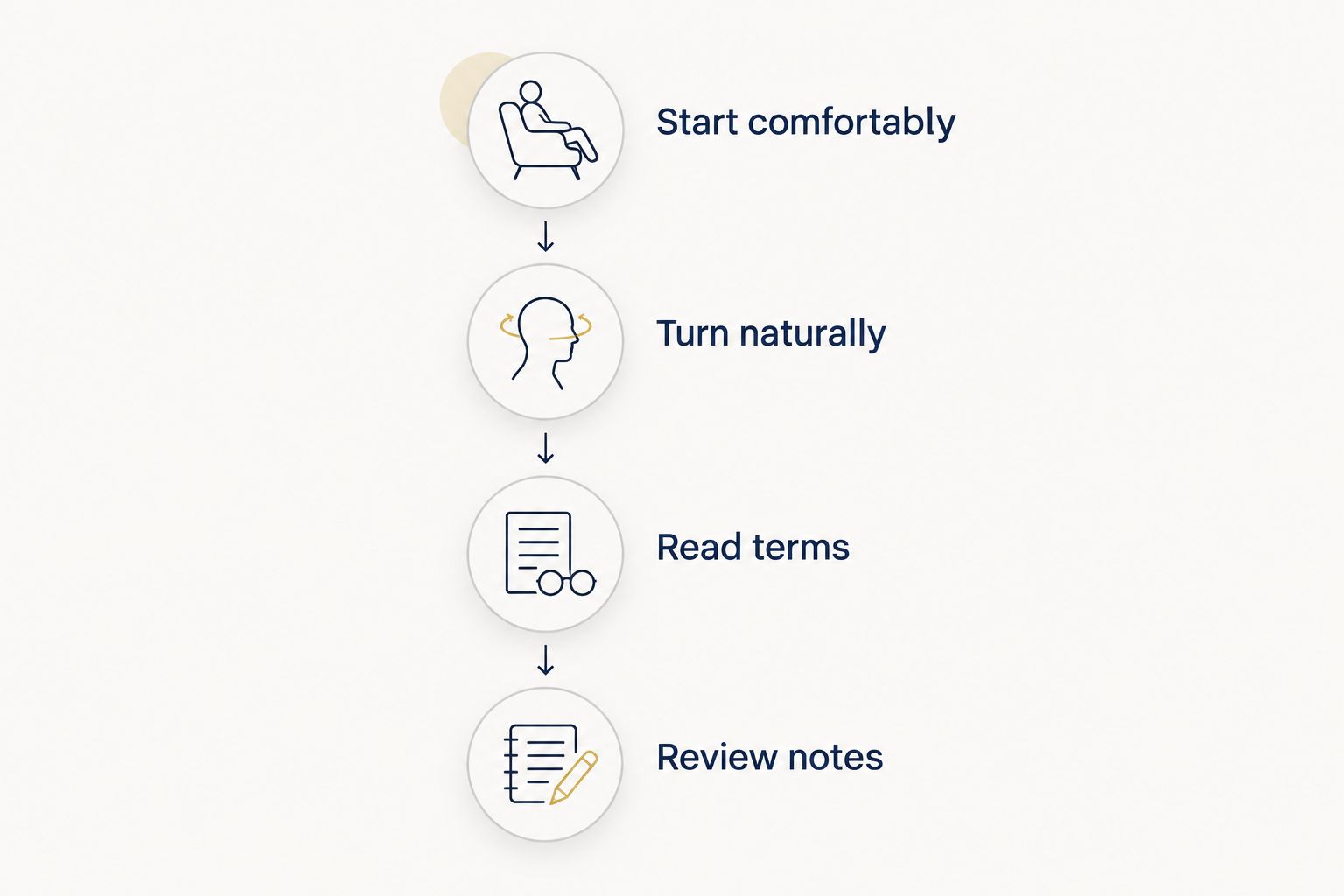
Start comfortably
Use your usual side-sleeping position and a pillow with a familiar feel. Spend about 10 minutes on a promising mattress rather than judging it from a quick sit on the edge.
Notice your shoulder, hip, waist, and urge to reposition. You do not need to score every sensation; a plain description such as comfortable, compressed, unsupported, or difficult to turn is enough.
Turn naturally
Spend 2 minutes making ordinary movements: turn onto your other side, briefly lie on your back, and sit up. These movements help you compare how restrictive or responsive each surface feels.
If you share a bed and can test together, include the positions you actually use. Do not assume that the feel at the center will answer every question about sleeping nearer an edge.
Read terms
Before committing, read the written trial and return terms for the exact mattress. Check how a return works, whether any conditions apply, and which bed bases the manufacturer permits.
Keep a copy of the terms that apply to your purchase. A reassuring phrase in a headline is not a substitute for understanding the process.
Review notes
If you use a home trial, make a short note each morning about comfort, position changes, and anything unusual about the evening. Try a 7-night note-taking window as an organizational starting point, not a deadline for deciding whether discomfort is acceptable.
The sleep journal template can give those observations a home. Record what happened without turning every wake-up into a verdict on the mattress.
Keep the mattress decision separate from your evening routine
A new sleep surface and a manageable evening routine answer different questions. One concerns physical comfort; the other concerns how you make room for rest around work, family, and everyday obligations.
Avoid changing everything at once simply because a mattress arrives. Keep familiar habits where they work, then adjust one practical part of the evening if you want to understand it better.
For example, you might keep your usual bedtime routine while recording whether your shoulder feels comfortable. Or you might leave the mattress decision alone for an evening and make tomorrow's preparation less rushed.
Restweft sleep coaching connects personal guidance with doable routines and ongoing check-ins. If that support fits what you need, create an account and complete a private sleep profile without pressure to make your evenings perfect.
Make room for better nights
Explore personal guidance for a doable evening routine, without pressure to be perfect.
How this 2026 ranking works
This guide ranks mattress constructions by the decisions they help you make: cushioning with spring support, close contouring, and responsive movement. The criteria are shoulder comfort, hip cushioning, steady support, ease of movement, and practical ownership.
The ranking does not establish that every hybrid beats every foam mattress. Nor does it turn a material preference into a health recommendation. The exact mattress and your experience of it matter more than the category's position.
Which mattress should you choose?
Start with a hybrid if you are undecided, then compare memory foam if you want closer contouring or latex if you want a more responsive surface. Bring the same comfort questions to each option.
For your 2026 shortlist, remove any mattress that needs an elaborate explanation for why it feels uncomfortable. A feature list should help explain a good fit, not persuade you to ignore a poor one.
Do not use mattress shopping to explain away persistent pain, ongoing sleep difficulties, or other health concerns. Speak with a qualified healthcare professional about those concerns; everyday coaching and mattress advice do not replace medical assessment.
FAQ
What's the best mattress for a side sleeper in 2026?
A pressure-relieving hybrid is a useful starting point for comparing cushioning and spring support. Choose the exact mattress by shoulder comfort, hip cushioning, support, and ease of movement rather than its category alone.
Is memory foam better than a hybrid for side sleeping?
Memory foam is a better preference match when you want close contouring, while a hybrid combines comfort layers with springs. Neither construction is automatically more comfortable for every side sleeper.
Should side sleepers always choose a soft mattress?
No, side sleepers should choose comfortable cushioning with support rather than softness alone. A surface that feels too hard at the shoulder or too yielding beneath the body is not a good fit simply because its label sounds appropriate.
Is latex suitable for someone who changes sides at night?
Latex is worth comparing if you prefer a responsive surface when changing sides. Check shoulder comfort too, because easy movement does not establish that the cushioning suits you.
How long should I lie on a mattress in a store?
Try about 10 minutes in your usual side-sleeping position as a practical comparison exercise. This is not a validated test of overnight comfort; also turn, sit up, and understand the home-trial terms.
Can a new mattress treat my sleep problems?
A mattress is not a treatment plan for sleep problems. Discuss persistent sleep difficulties or pain with a qualified healthcare professional rather than relying on a mattress purchase.
Does Restweft sell mattresses or provide medical care?
Restweft provides personal online sleep coaching, not mattress sales or medical care. Its guidance focuses on practical evening routines, sleep-pattern tracking, and ongoing check-ins for adults.
One last thing
Before replacing your mattress, notice your pillow. Your pillow and mattress work together to support your side-lying position, so an unfamiliar pillow can confuse a showroom comparison. Bring a familiar setup where practical, and choose a rhythm, not a reset button.